Articles
Deep dives on architectural software, AI tools, and 3D modeling techniques.

The 6 Best Hugging Face AI Models for Architecture & 3D Rendering
Hugging Face lists over 90,000 text-to-image models alone. For architecture and 3D, the list that actually matters is six — and the trick is knowing that 'a render' and 'a 3D model' are two different problems needing two different tools.
Read article →
ChatGPT vs Gemini Nano Banana: Which AI Is Better for Architecture & Landscape Design?
I ran ChatGPT and Gemini's Nano Banana Pro side by side through a real design pipeline — same images, same prompts. The winner isn't the one that makes the prettier picture. It's the one that does what you asked.
Read article →
Will AI Replace Architects? The Future of Architecture Jobs
The honest answer isn't yes or no — it's a question about which half of the job you think the job actually is. AI is coming for the drudgery. Whether that's a threat depends entirely on you.
Read article →
AI Tools in ArchiCAD: A Comprehensive Guide
ArchiCAD has no AI button. So how are architects using AI with it every day? The answer is a workflow, not a feature — and once you see the shape of it, it's hard to unsee.
Read article →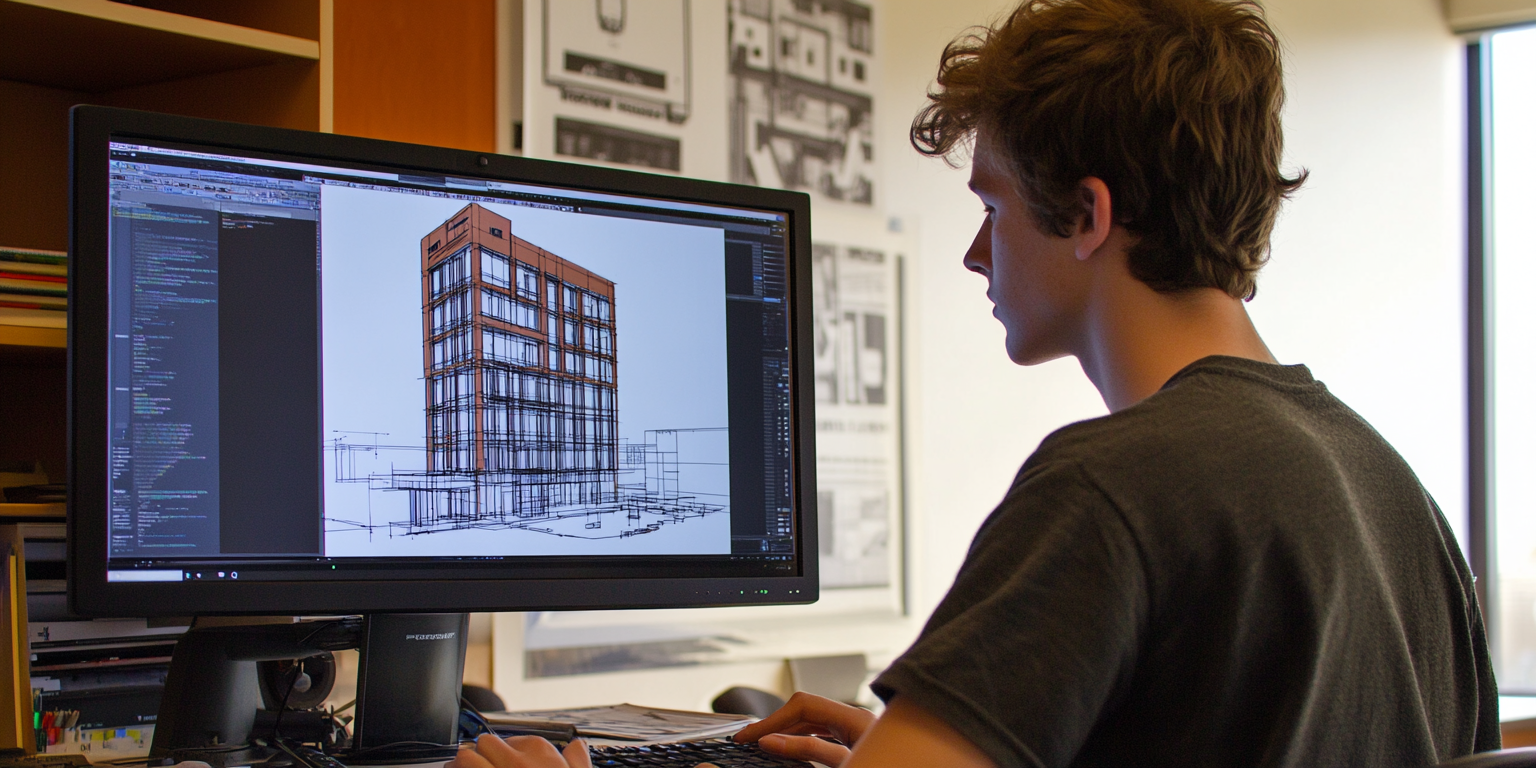
BIM vs. CAD: A Complete Guide for Modern Architects
It comes down to one question: when you draw a wall, did you make two lines, or did you make a wall? That's the entire difference between CAD and BIM — and it decides far more than which software you buy.
Read article →
ControlNet: Revolutionizing Image Generation with Precision Control
Text-to-image AI has one maddening flaw for architects: you can't tell it where to put the walls. ControlNet fixes exactly that — and the trick behind it is more elegant than you'd expect.
Read article →
The Evolution from Traditional Methods to AI-Driven Approaches
Architecture went from pencils to plotters to parametric models — and now to AI. Here's the honest version of that journey, including what tools like Midjourney genuinely do, and the hype they don't.
Read article →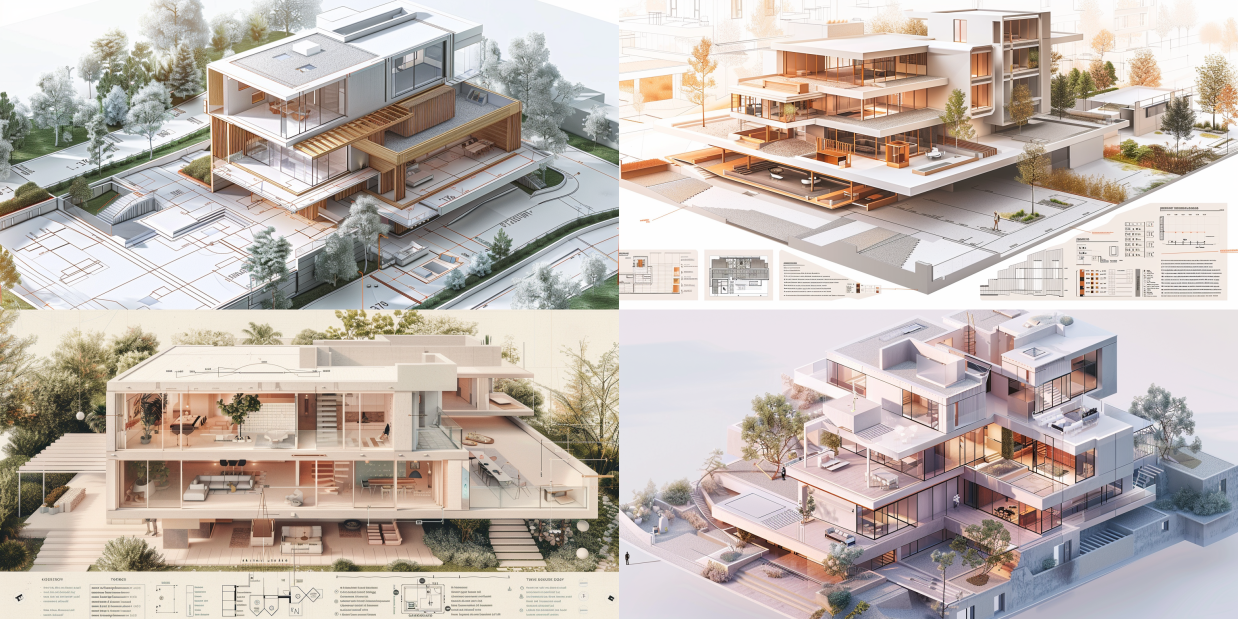
AI in Architecture: 6 Expert Tips for Midjourney
Most people use Midjourney to make one pretty building and stop. The architects getting real value treat it as a parts factory — trees, textures, people, palettes, whole presentation boards. Here's how.
Read article →
Revolutionizing Architecture: The Rise of AI Tools
Six AI tools promise to turn your sketch into a render. They all run the same underlying trick — so the real question isn't which makes a pretty building, but which can convincingly build the world around it.
Read article →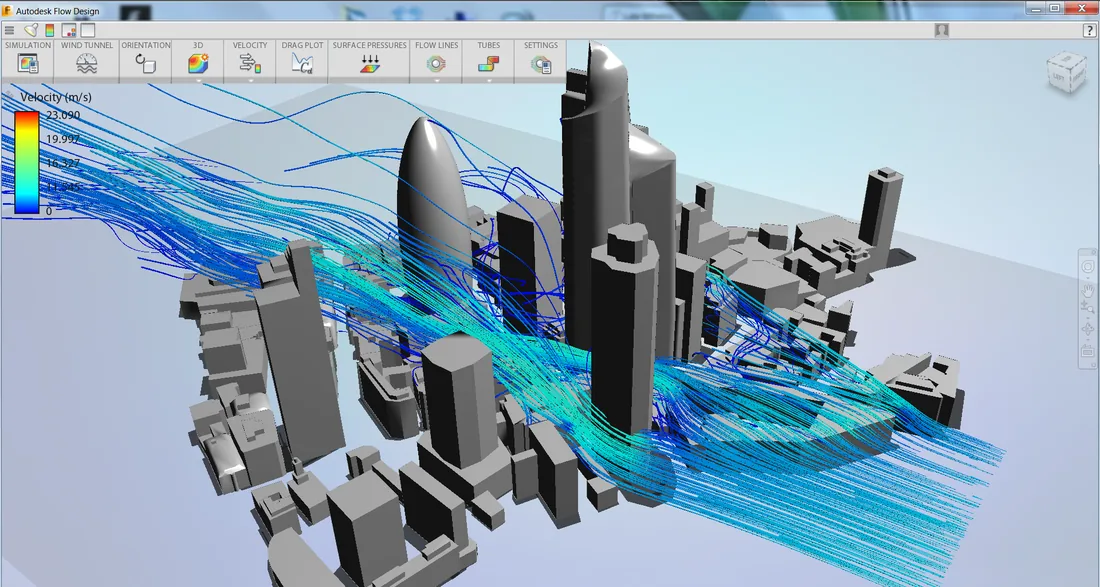
Mastering Simulation Modeling: A Deep Dive into Realism
Some questions are too expensive, too slow, or too dangerous to answer in reality. Simulation modeling builds a tiny, controllable universe where you can ask them safely — and then check whether its answers are true.
Read article →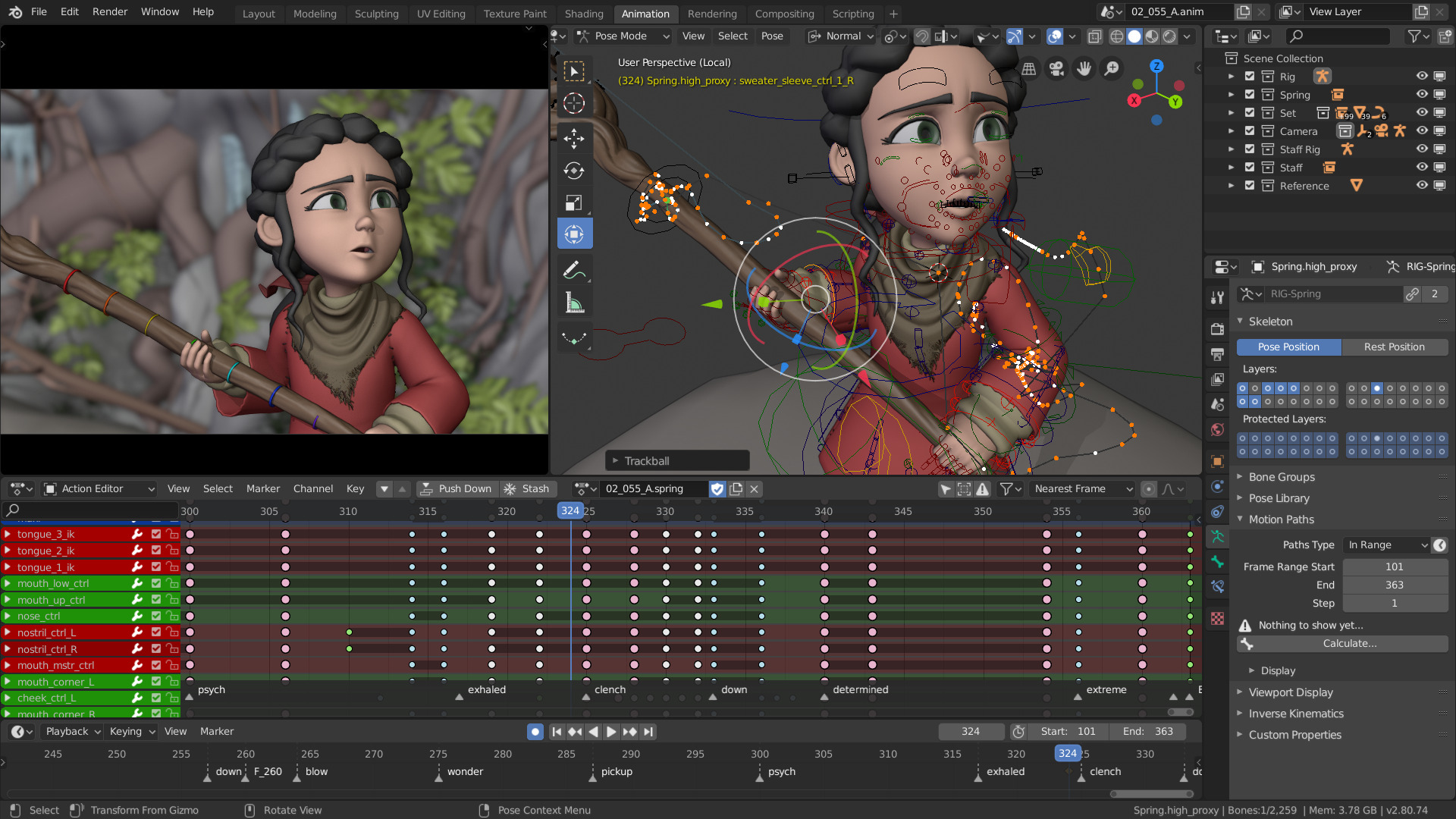
Procedural Modeling: A Powerful 3D Technique
Nobody hand-placed every tree in No Man's Sky's 18 quintillion planets. They couldn't have. Procedural modeling is the trick that builds worlds from rules instead of clicks — here's how it works.
Read article →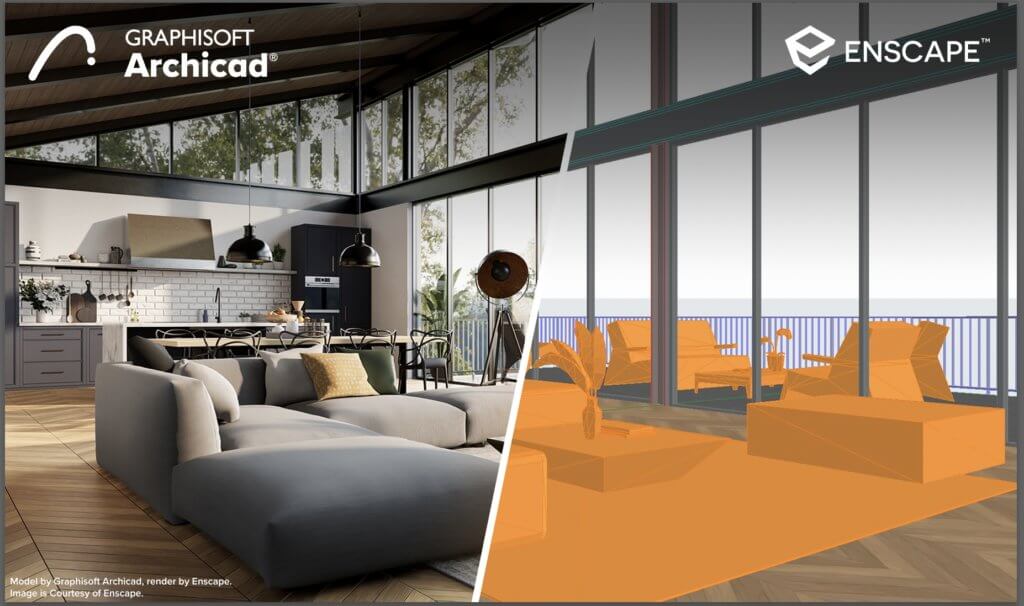
ArchiCAD: A Review & Feature Analysis
Most software draws lines that happen to look like a building. ArchiCAD draws a building that happens to produce lines. That one inversion — BIM — is the whole reason it exists, and the reason it's hard.
Read article →
3D Studio Max: A Review & Feature Analysis
Your BIM tool builds the building. 3ds Max builds the breathtaking image of it. It's the heavyweight where architectural renders, game worlds and film effects get their polish — at a price, and Windows only.
Read article →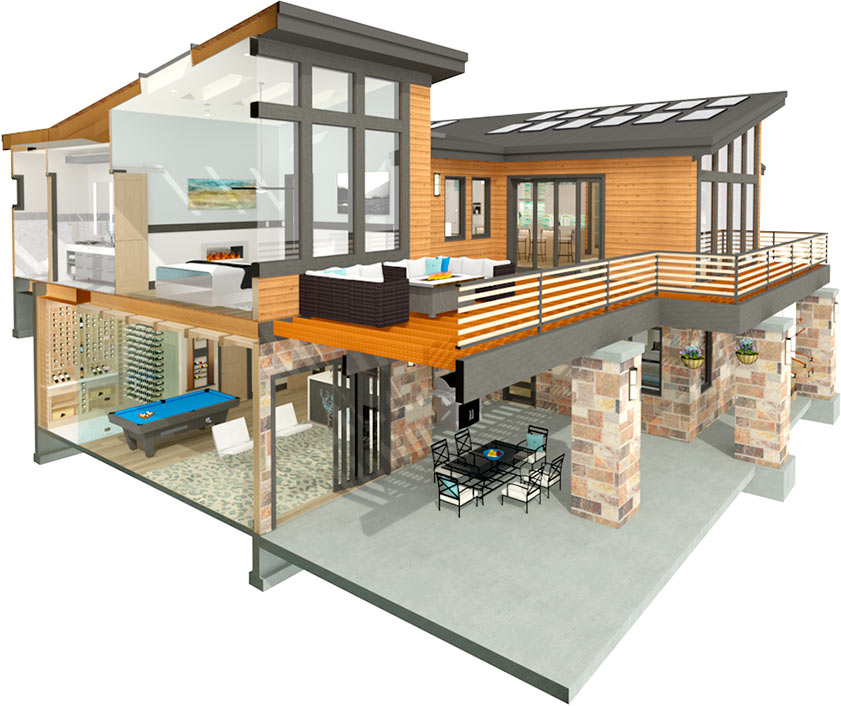
Chief Architect: A Review & Feature Analysis
Most 3D software is a blank canvas that doesn't know a wall from a banana. Chief Architect knows it's designing a house — and that single assumption lets it frame your roof automatically. Here's the trade.
Read article →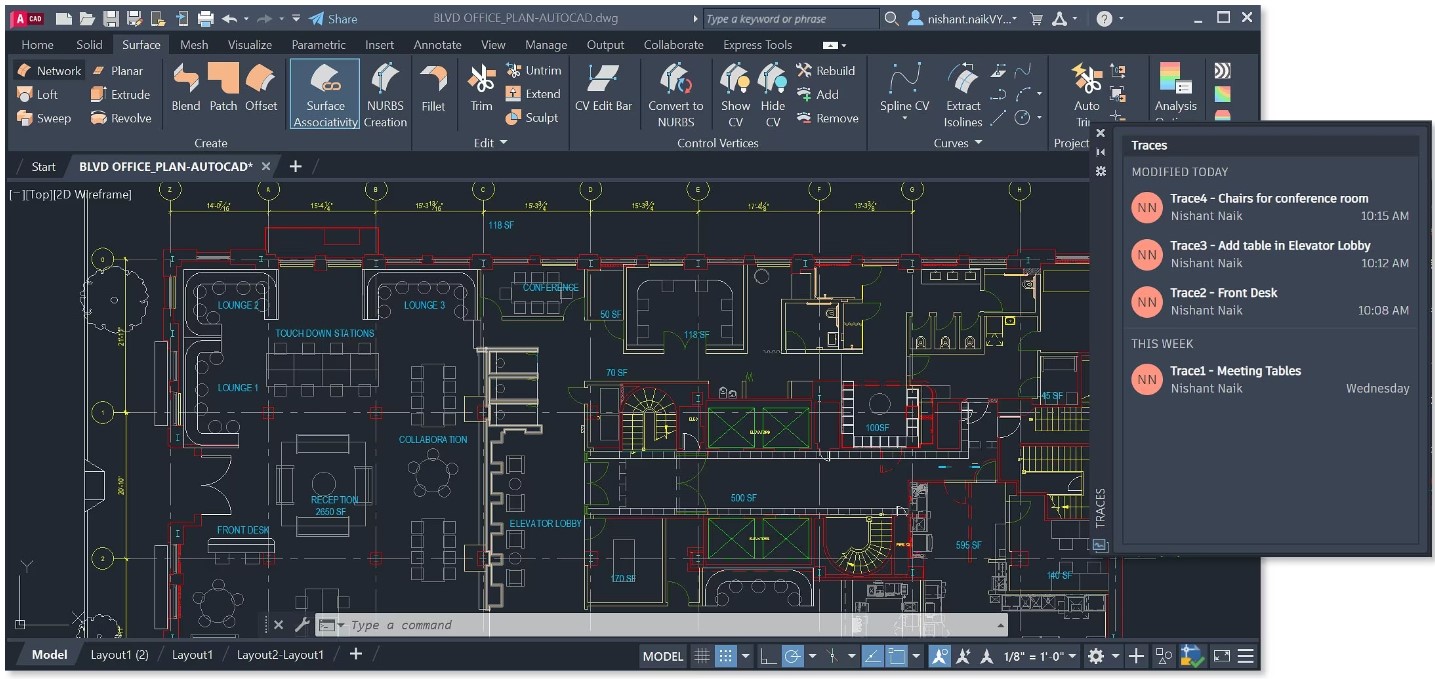
AutoCAD: A Review & Feature Analysis
AutoCAD has been the industry's digital drafting board for four decades. Autodesk reckons it takes a full year to master — so what are you actually getting for that year, and is it still the right tool?
Read article →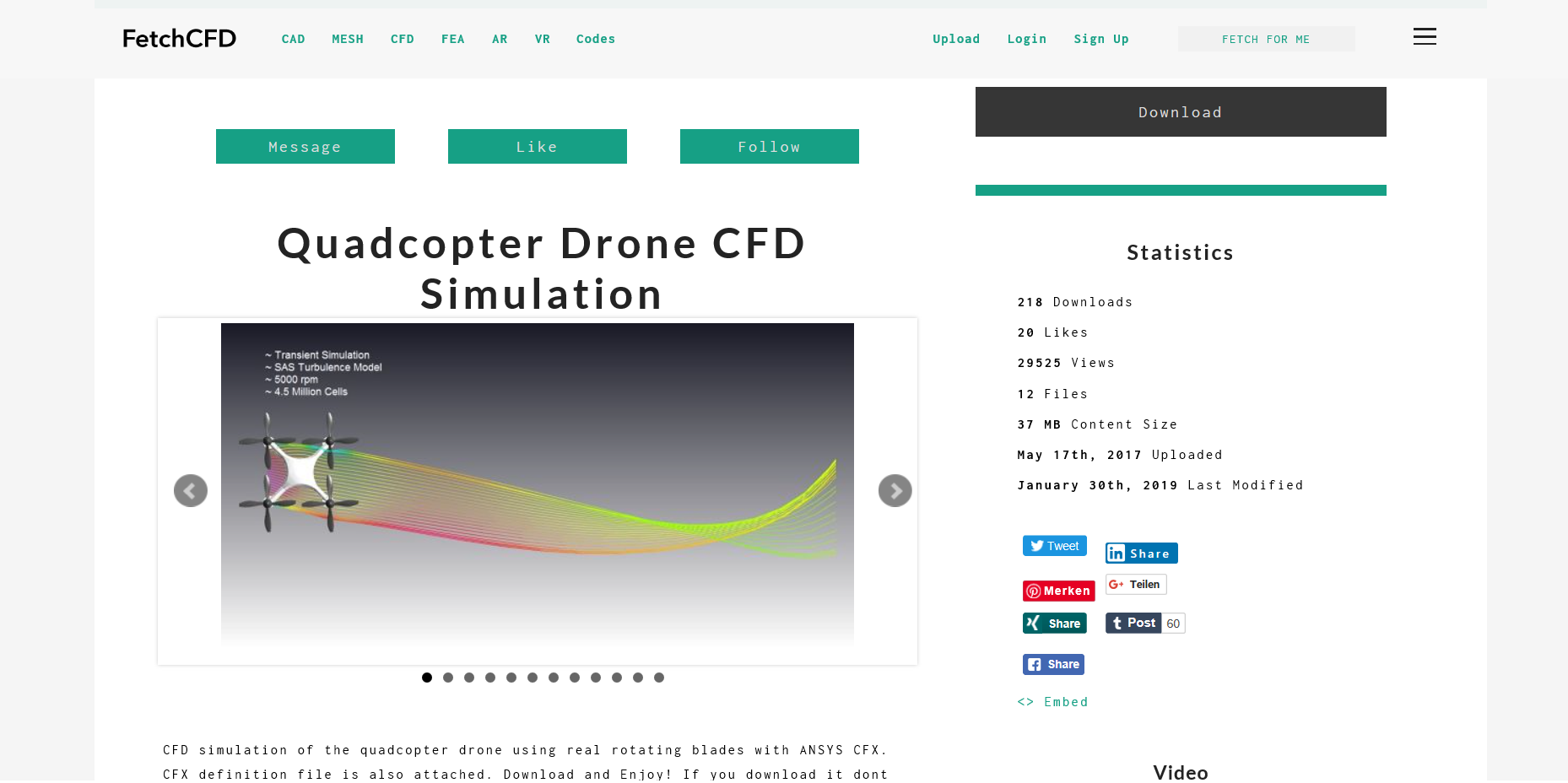
FetchCFD: A Review & Feature Analysis
Fluid simulation usually means heavyweight desktop software and files nobody else can open. FetchCFD moves the whole thing into the browser — sharing, viewing, even solving. Here's how well it works.
Read article →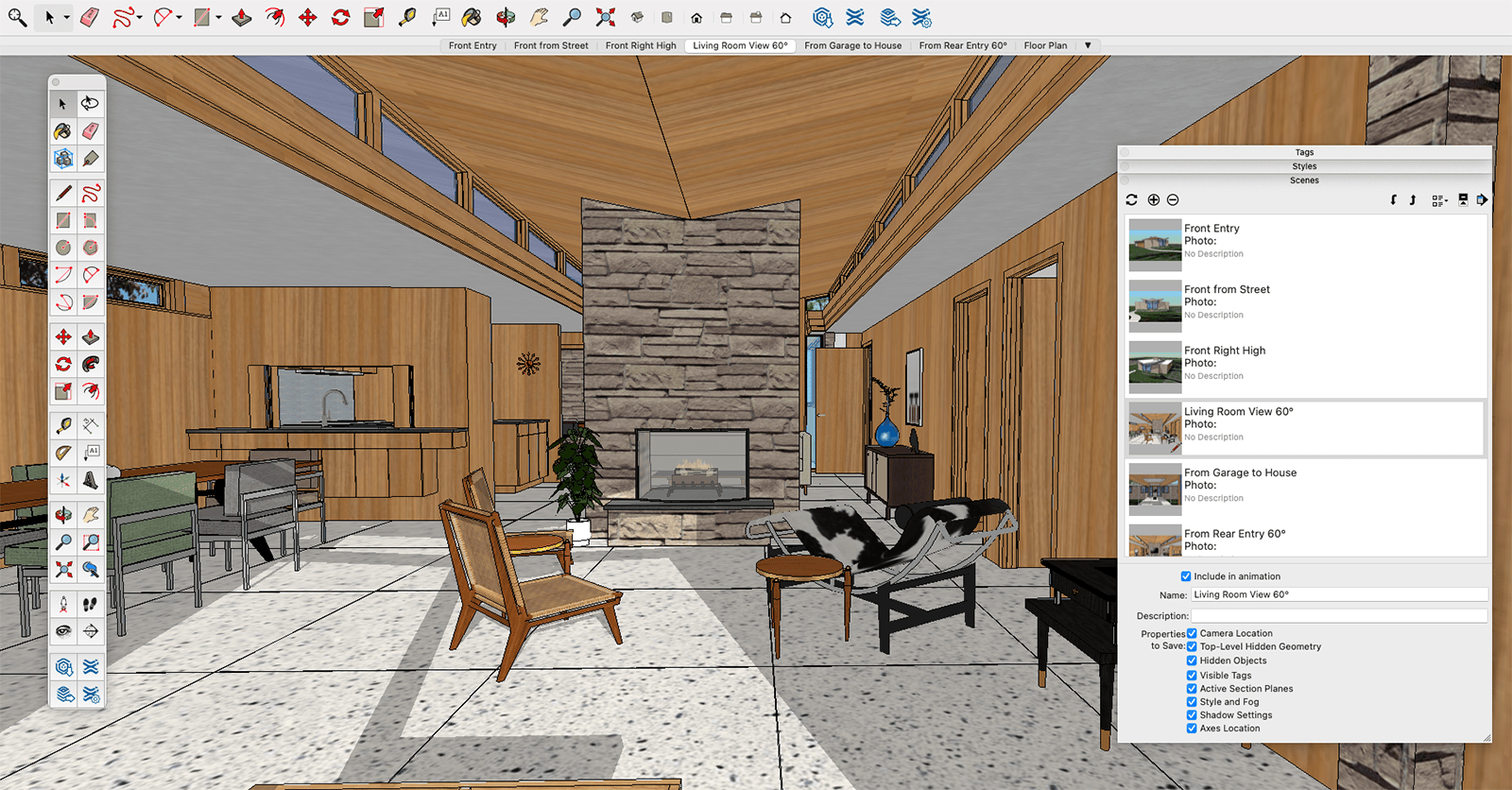
SketchUp: A Review & Feature Analysis
SketchUp made one bet most 3D software refused to make: that drawing in three dimensions could feel as easy as sketching on paper. Here's how the trick works, what it costs, and where it breaks.
Read article →
Welcome to Desktop Architect
There are dozens of tools competing to draw your buildings, and the marketing for all of them sounds identical. Desktop Architect exists to cut through that — clear reviews, real techniques, and honest takes on the AI moment.
Read article →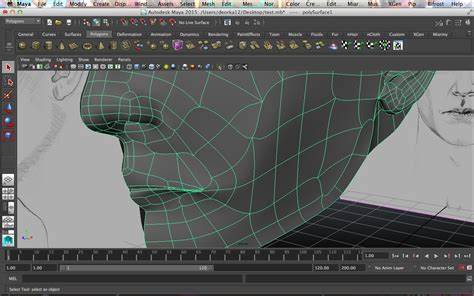
Polygon Modeling: Best Practices
Every 3D object you've ever seen on a screen is, underneath, a net of flat triangles pretending to be curved. Polygon modeling is the craft of stitching that net well — and topology is where it's won or lost.
Read article →